Engine and maintenance
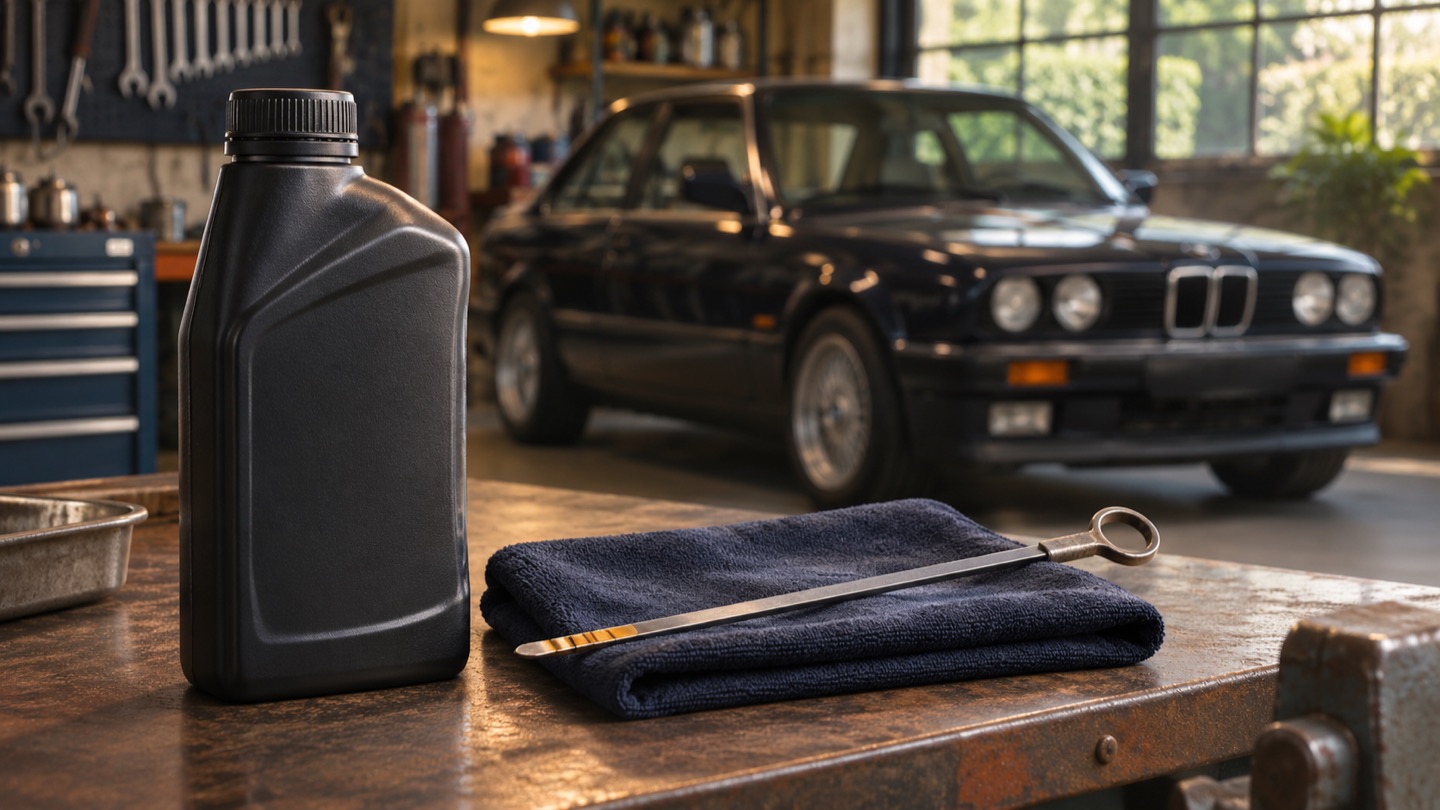
5W30 engine oil
5W30, also written as 5W-30, is an engine oil viscosity grade. It describes how the oil behaves at low and high temperatures.

From the numbers on an oil bottle to what a kilometre costs. Understand what you keep track of.
A first selection. More terms will follow.
24 terms
5W30, also written as 5W-30, is an engine oil viscosity grade. It describes how the oil behaves at low and high temperatures.

The APK is the Dutch periodic roadworthiness inspection. An approved inspector checks whether the vehicle meets safety, environmental and registration requirements. It is mandatory for most vehicles.
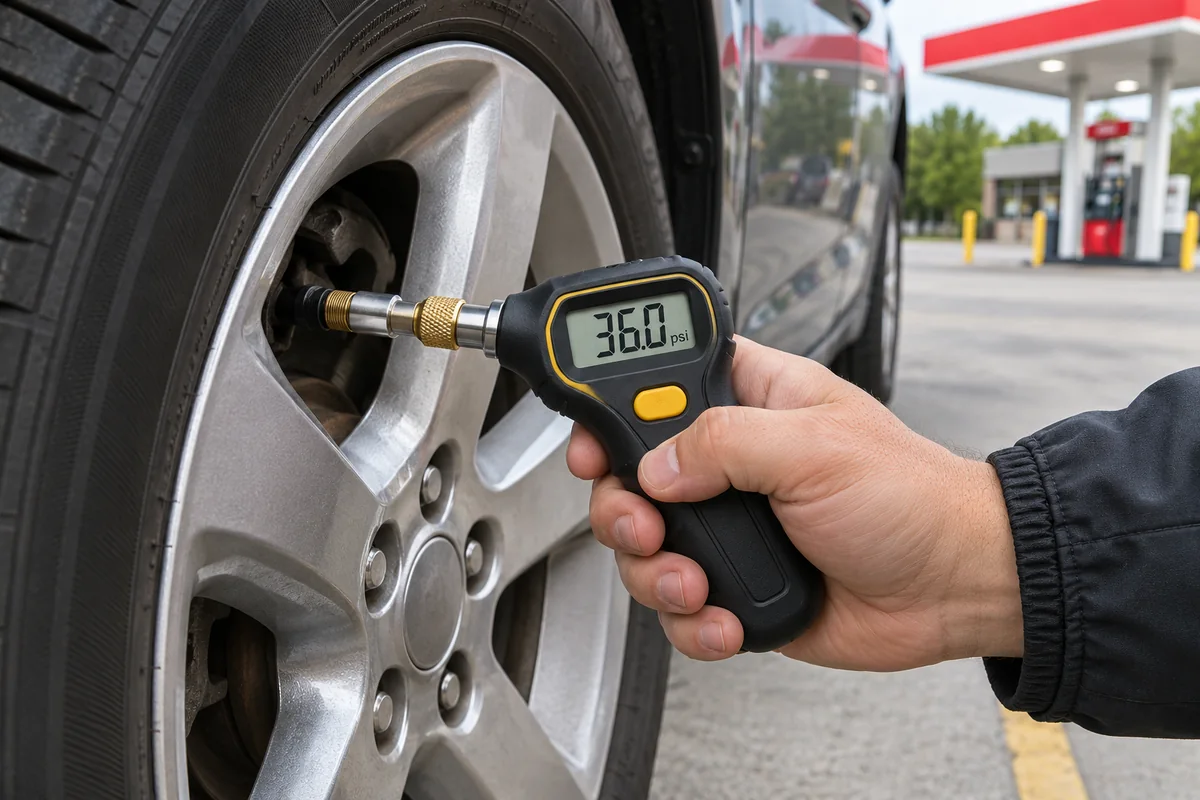
Tyre pressure is the air pressure inside the tyre, often expressed in bar. The vehicle manufacturer specifies the pressure for your tyre size, axle and load.

Fuel consumption is how much petrol or diesel your car uses over a distance. It is often shown as litres per 100 kilometres or kilometres per litre.
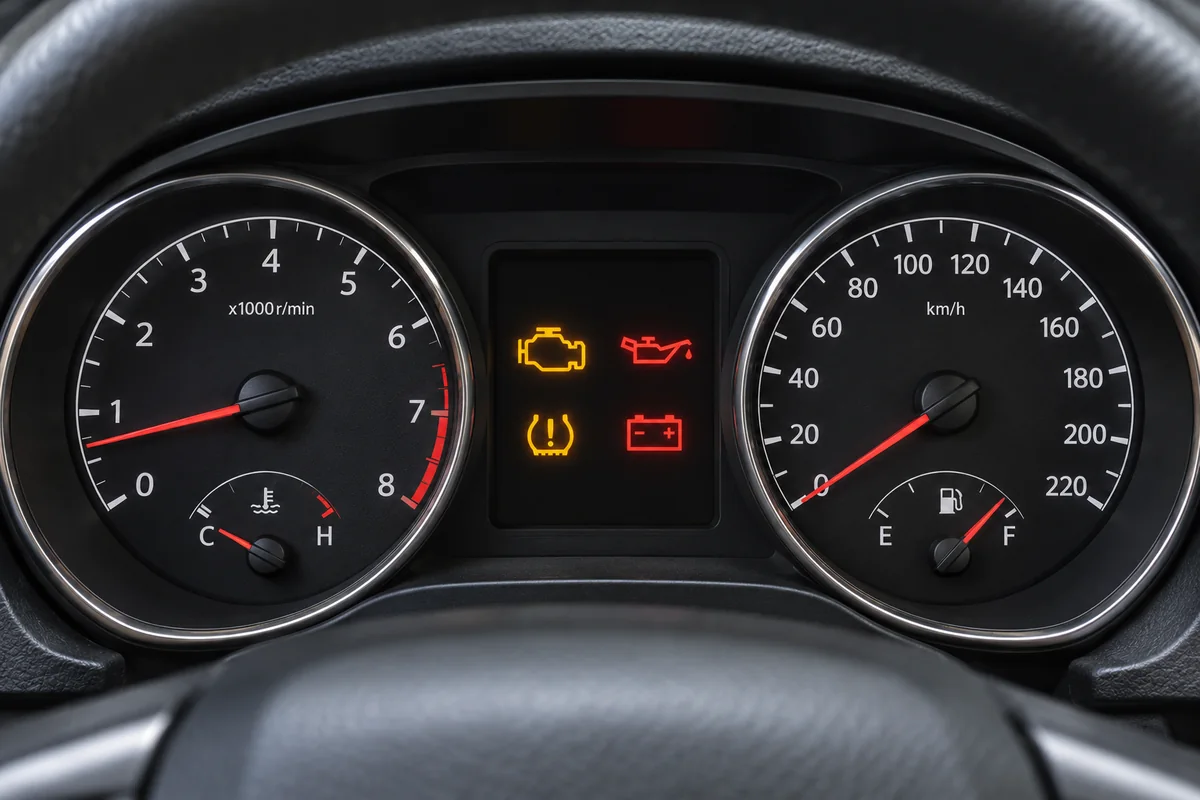
Dashboard lights indicate that a function is active or that the vehicle has detected something. The symbol and message determine what you should do.
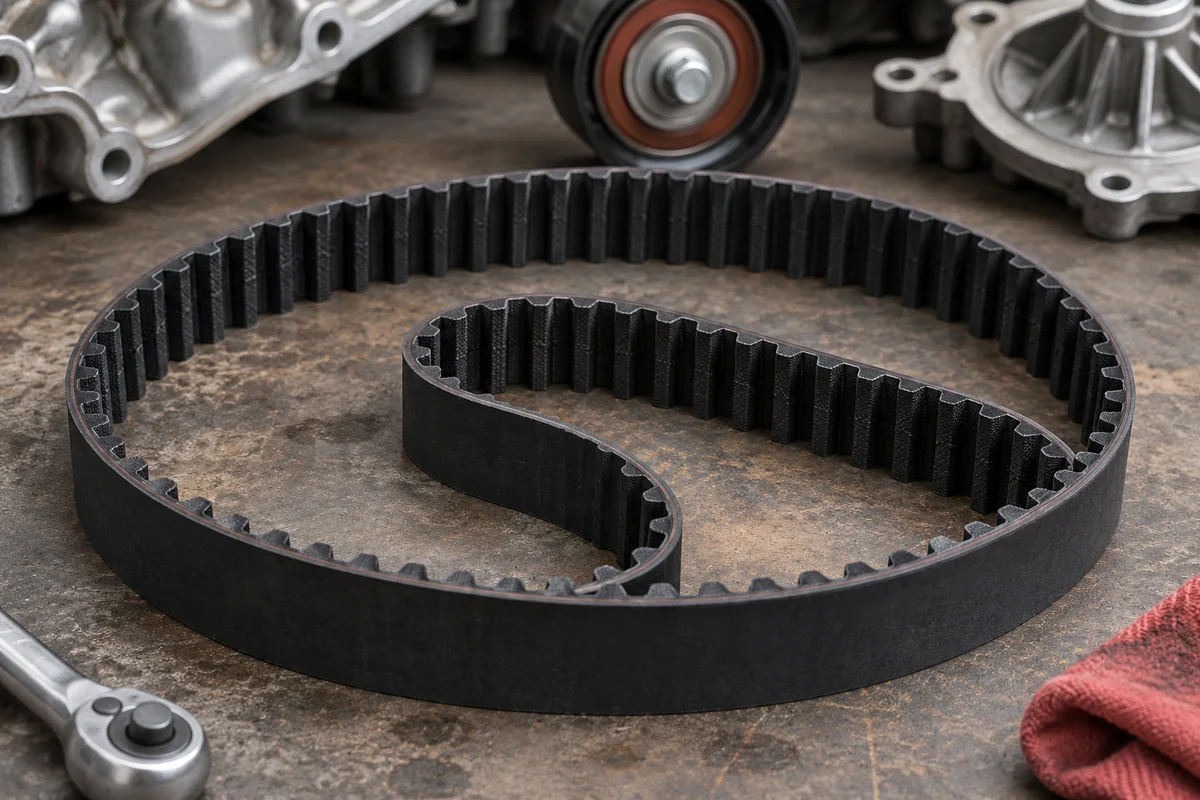
A timing belt is a toothed belt that keeps the crankshaft and camshaft in sync, so the valves open and close at the right time.
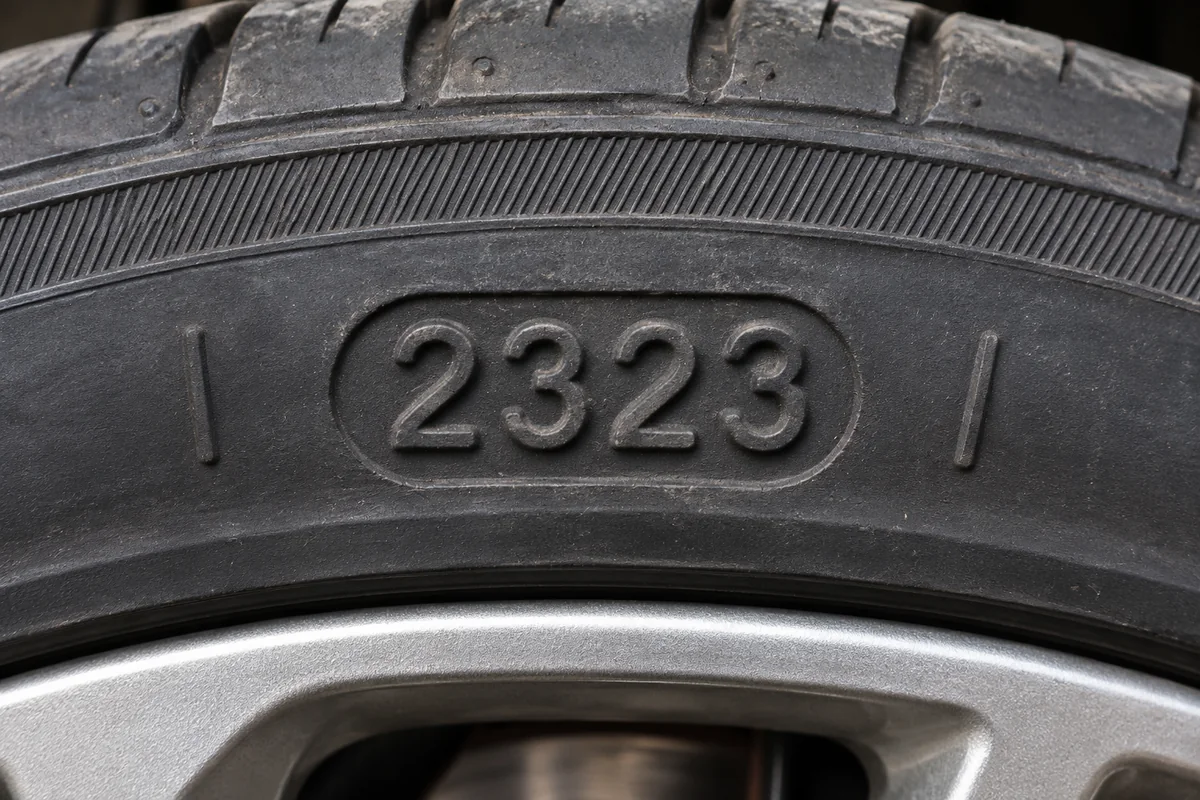
The date code on a tyre sidewall gives its production week and year. The four digits are usually at the end of the identification code by the DOT marking.

A major service is an extended maintenance visit. The garage checks several systems and changes oil, filters or other parts due under the service schedule.

A minor service is a basic service that often includes an engine oil and filter change and several checks. The scope varies by car and garage.
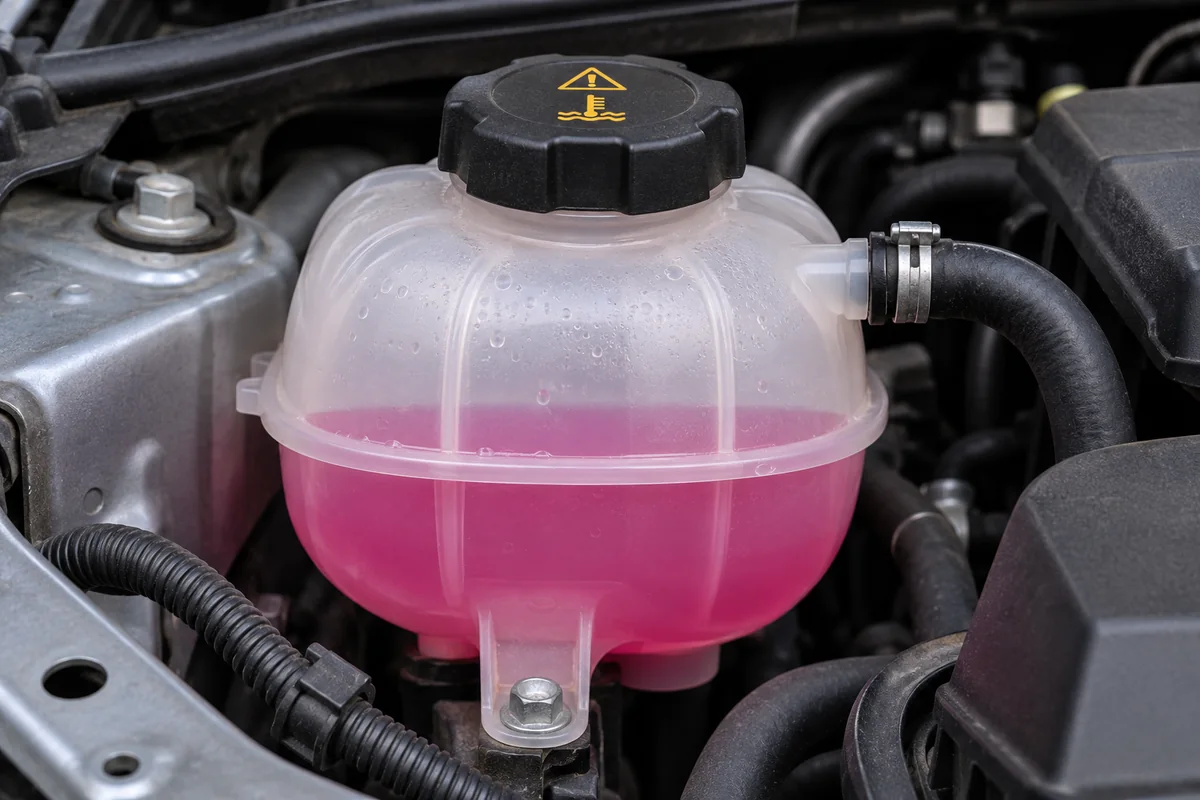
Coolant absorbs and carries away engine heat. The correct mixture also protects against freezing and corrosion.
Cost per kilometre is the car costs included for a period divided by the distance driven in that same period. The result depends on which costs you include.
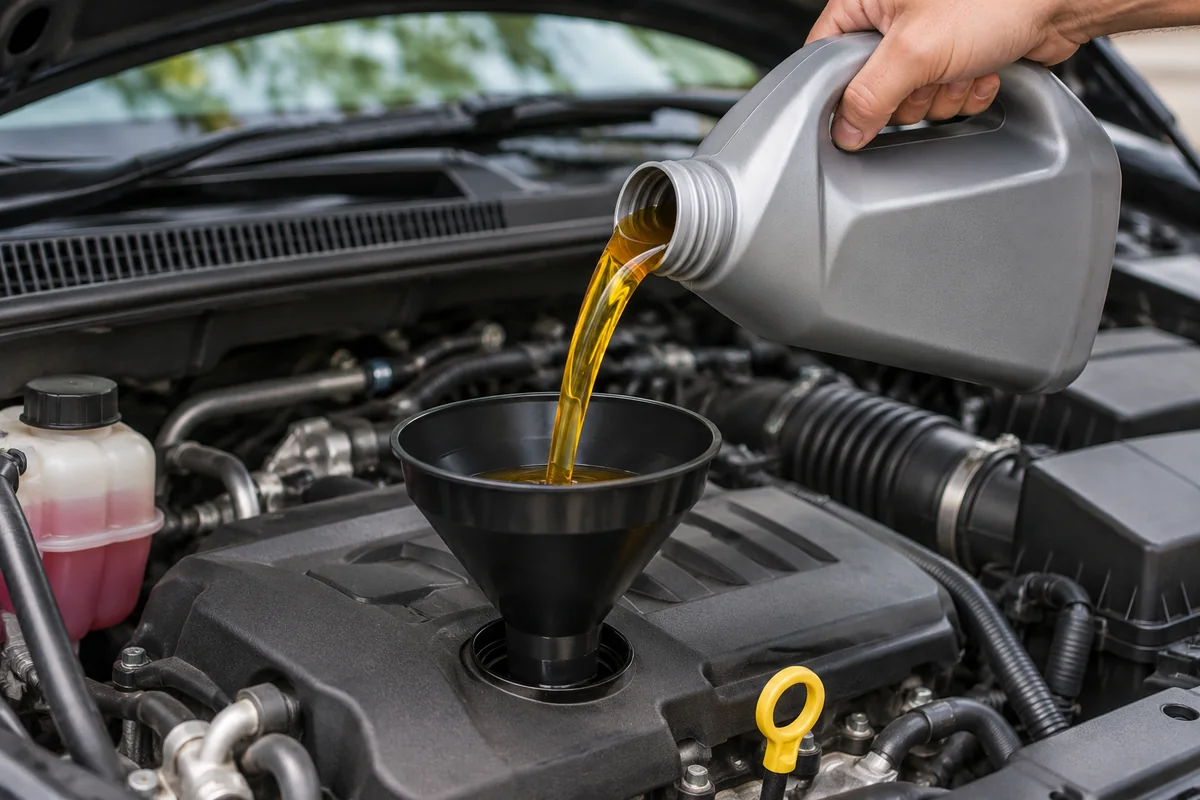
Engine oil lubricates moving parts, helps remove heat and protects against wear. The manufacturer specifies which oil is suitable for your engine.
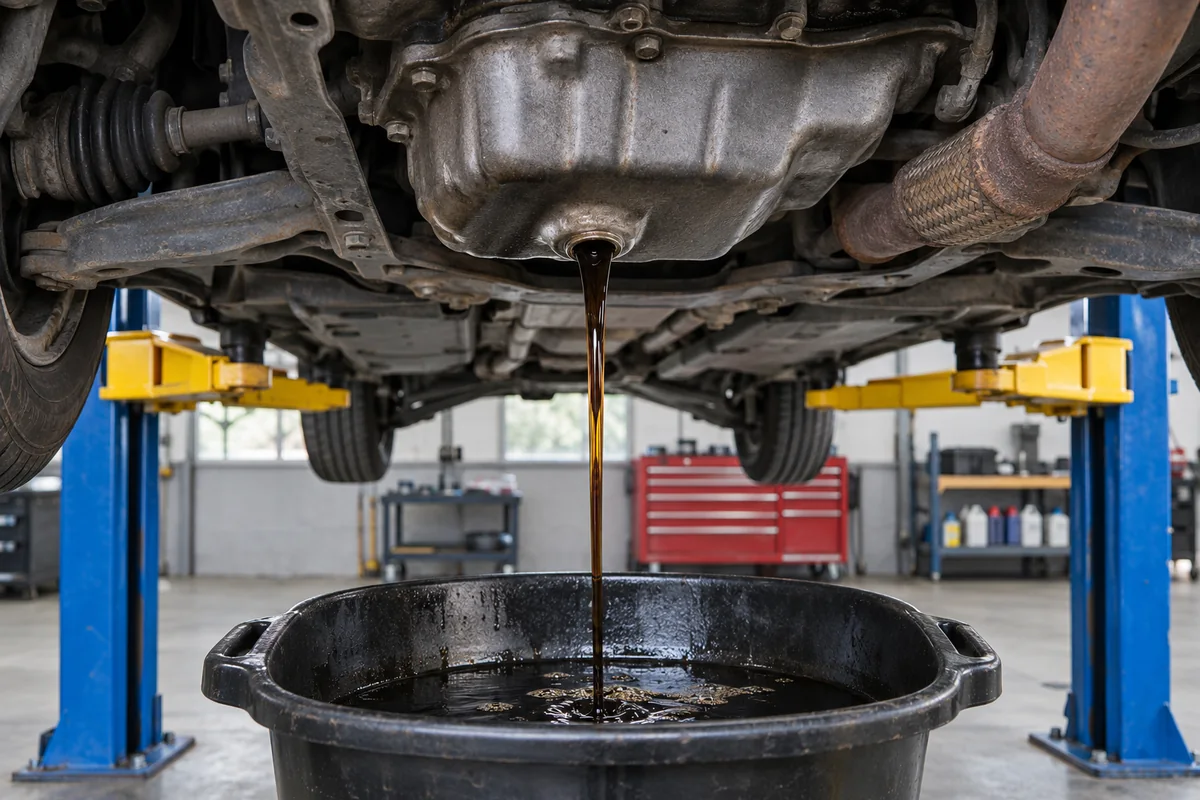
An oil change removes old engine oil and replaces it with fresh oil that meets the engine specification. The oil filter is usually replaced too.

Oil level indicates how much engine oil is present relative to the permitted range. You check it with a dipstick or the display, depending on the car.
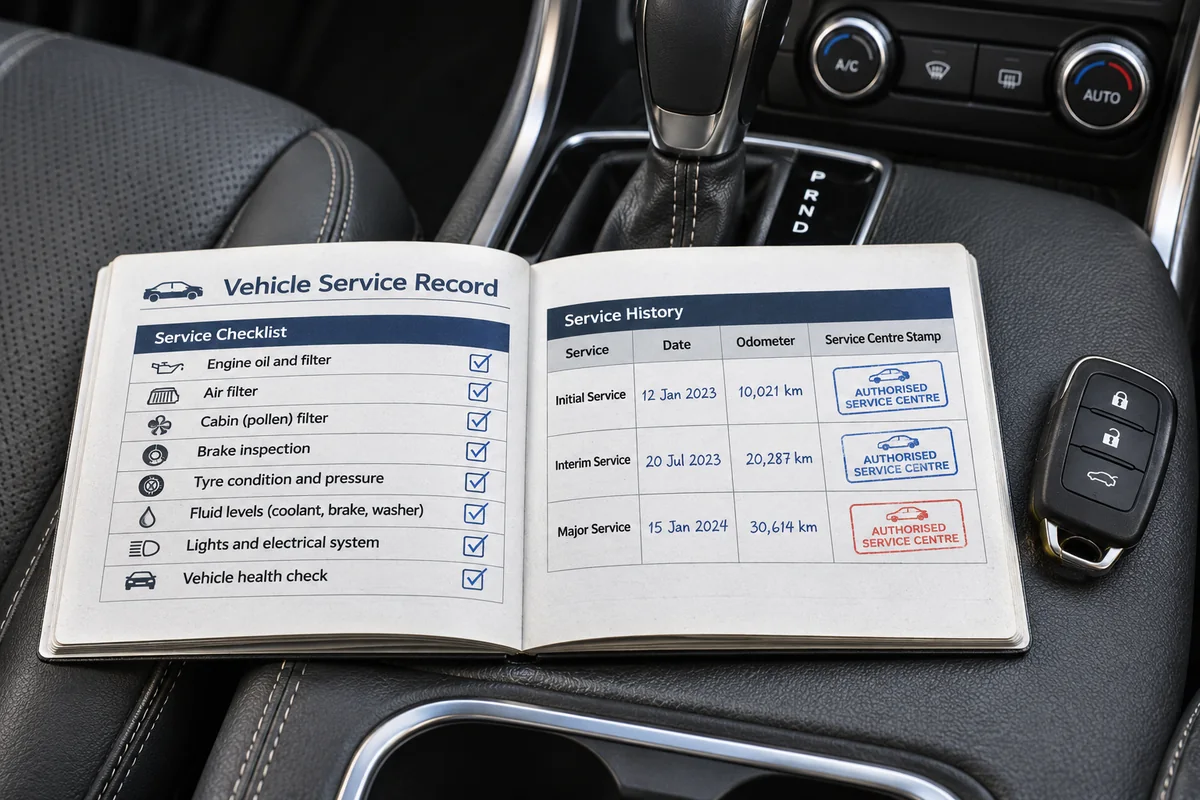
A service book is the paper or digital record of a car’s scheduled services. The wider service history also includes documents such as invoices and job sheets.
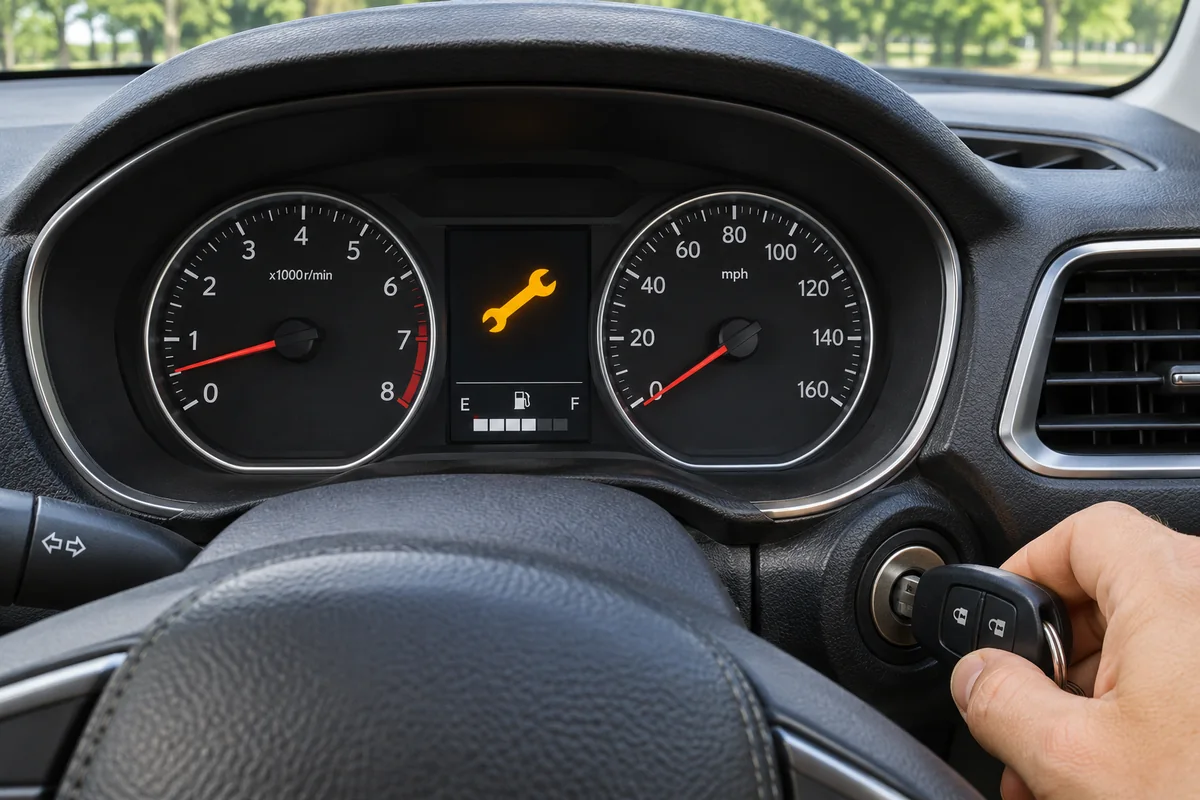
A service interval is the time or distance between maintenance tasks specified in your car’s service schedule. It can apply to an oil change or a scheduled service.
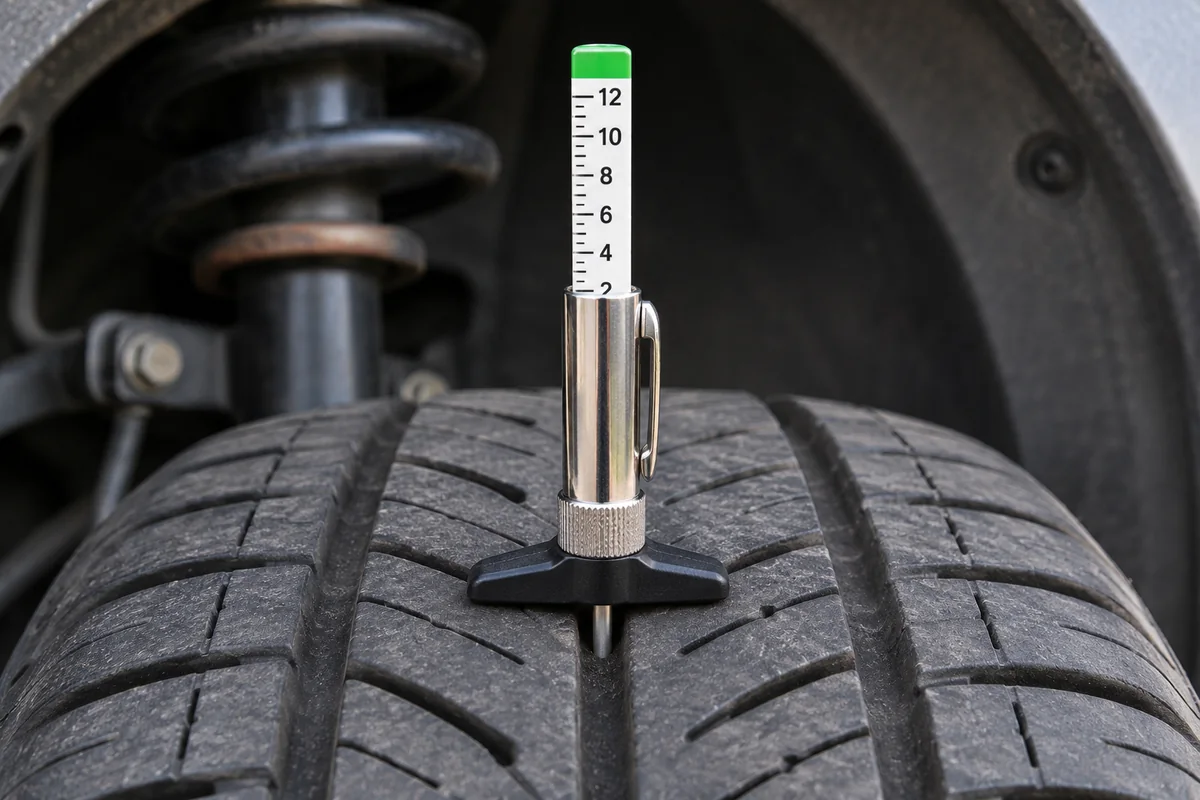
Tread depth is the depth of the grooves in a tyre’s tread. The grooves help disperse water. Depth is measured in millimetres.
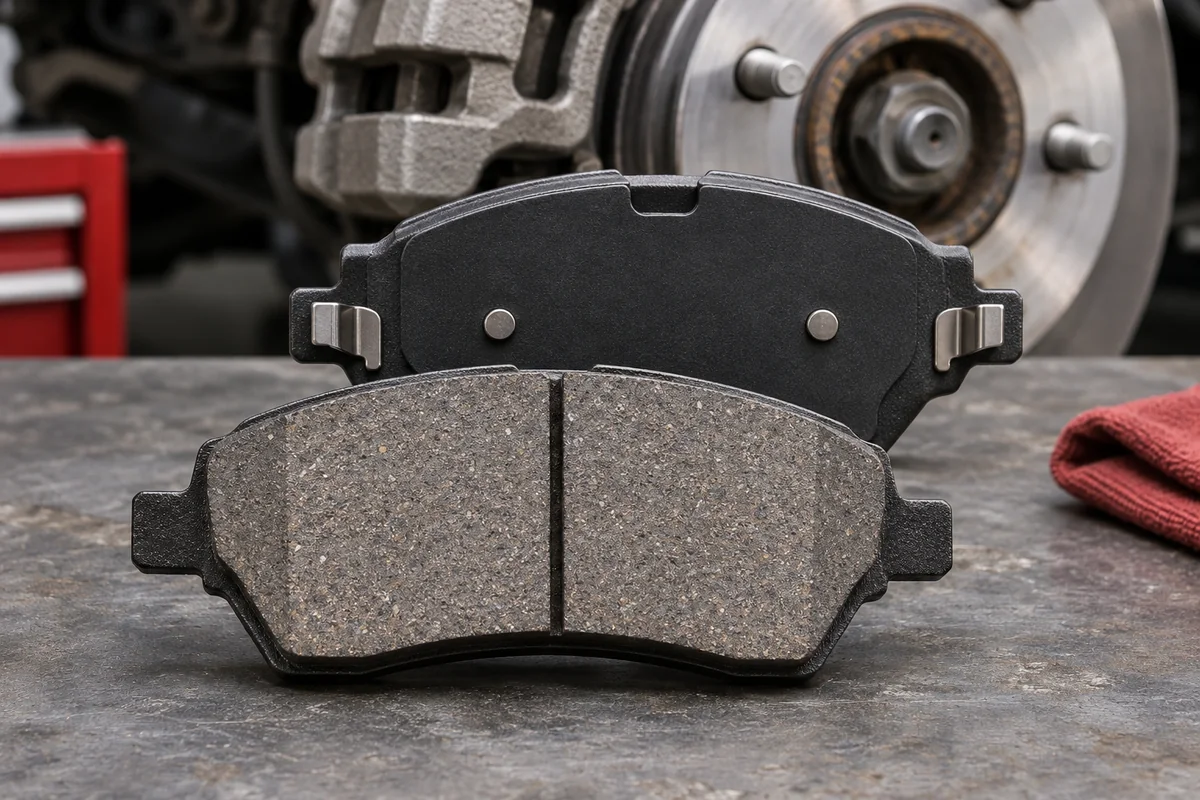
Brake pads are components of a disc brake. They press against the disc to slow the wheel, wearing down their friction material in the process.
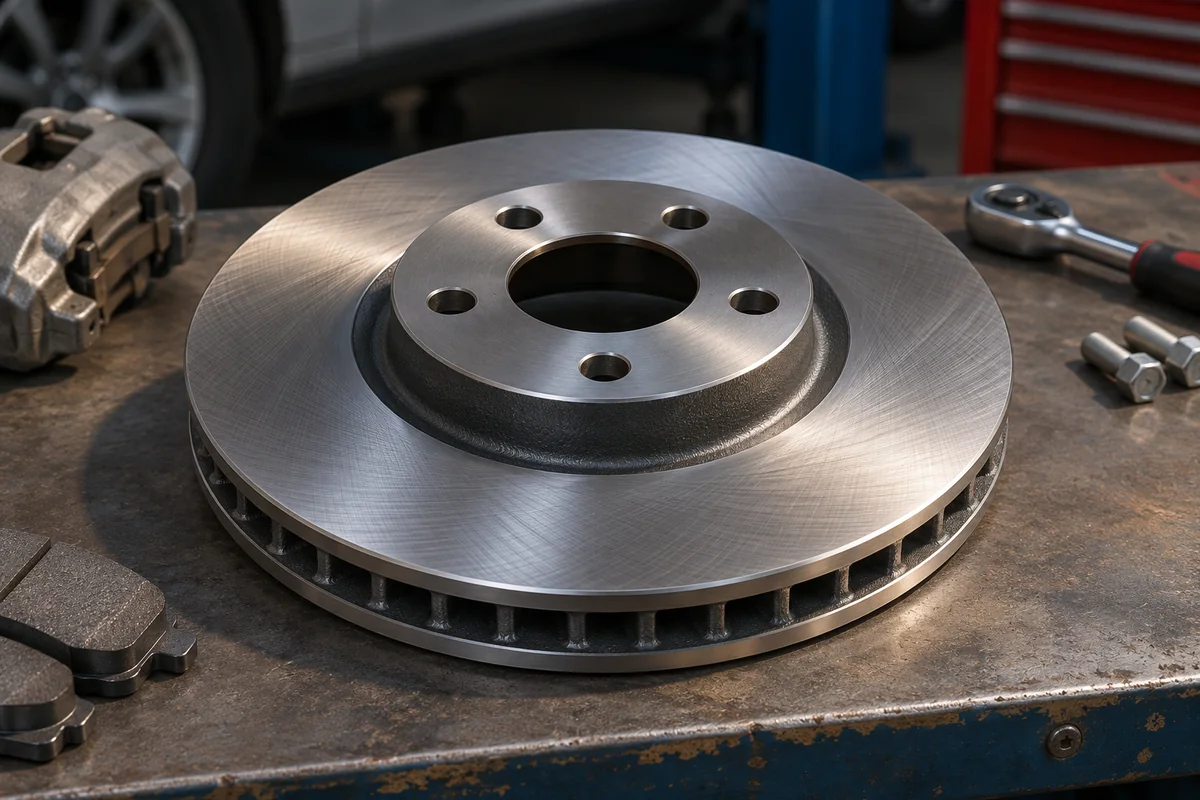
A brake disc rotates with the wheel. When you brake, the pads press against it. Friction slows the wheel, heats the disc and gradually wears it.
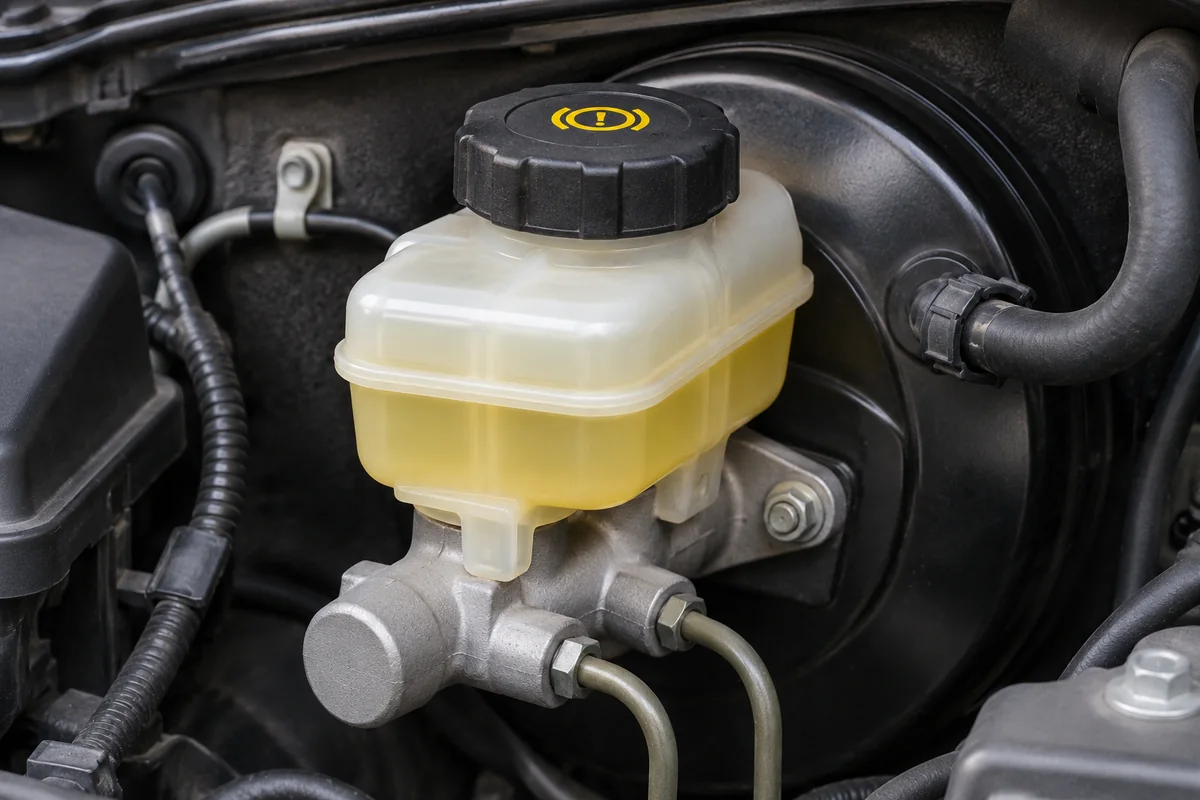
Brake fluid transfers pressure from the pedal to the brakes. It is part of the hydraulic braking system and has its own service requirements.
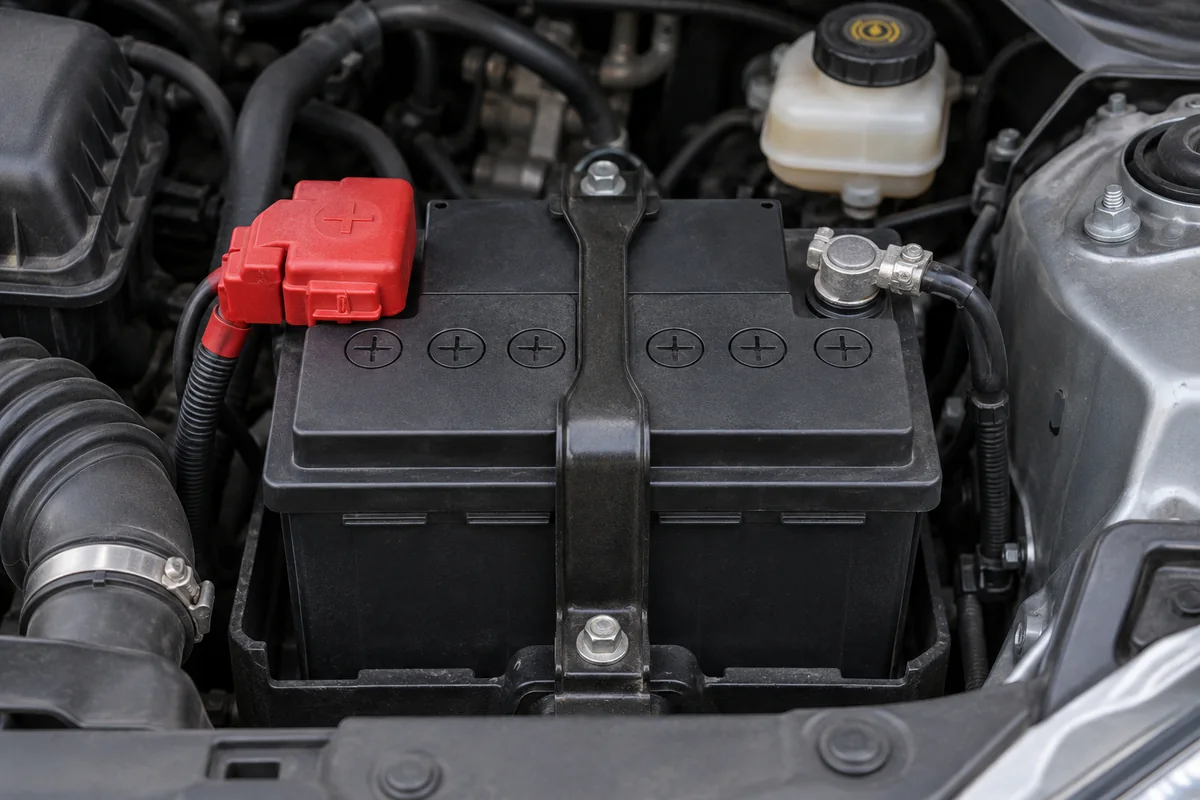
A starter battery provides the power to start a combustion engine and supplies electrical systems when needed.
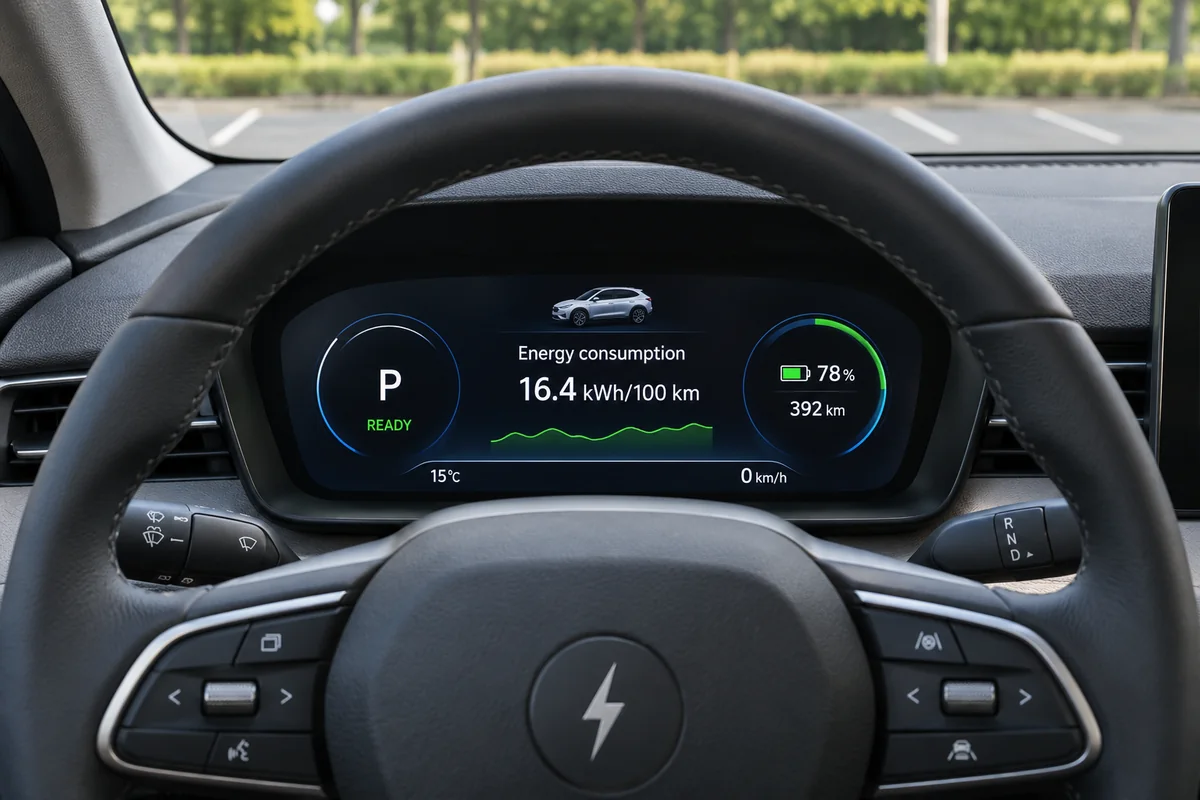
Electric car consumption is the energy used to cover a distance. It is usually expressed in kilowatt-hours per 100 kilometres, or kWh/100 km.
Viscosity is a fluid’s resistance to flow. In engine oil that resistance changes with temperature. The SAE grade tells you which viscosity requirements the oil meets under different test conditions.

Winter tyres are designed for low temperatures and winter conditions. Their rubber and tread are designed for situations including cold weather and snow.
Try a different search or view all topics.
Need practical maintenance stories? Visit the blog.